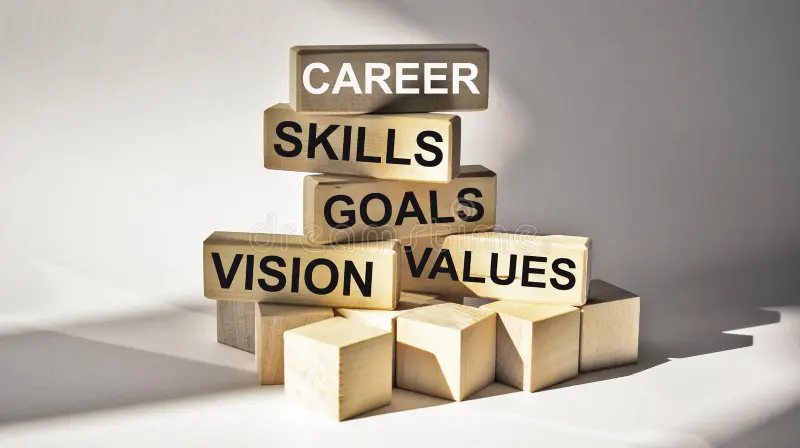
Career and Skills: Creating a Professional Path for the Future Career advancement is dependent not only on qualifications but also on the skills we acquire over time in a world that is changing quickly. Technology, globalization, and shifting job markets have transformed how careers are built. Today, continuous learning and skill development are essential for staying relevant, competitive, and confident in any profession.
Understanding Career & Skills
A career is no longer a single fixed path. It is a journey that evolves with experience, opportunities, and personal goals. The abilities that enable individuals to effectively complete tasks are referred to as skills. These include technical skills, soft skills, and transferable skills that can be applied across industries.
Finding a balance between interests, market demand, and long-term objectives is the foundation for career success. Types of Skills That Matter
Technical Skills
Skills like coding, data analysis, digital marketing, accounting, and design are examples of technical skills. These skills often determine entry into a profession and are essential for performing specialized roles.
The Soft Skills Emotional intelligence, adaptability, and communication are all examples of soft skills. Employers value these skills because they influence how individuals collaborate and perform in real-world situations.
Transferable Skills
Time management, leadership, creative thinking, and other transferable skills can be used in a variety of jobs and industries. They assist professionals in adjusting to new opportunities and shifts in their careers. Workplace Career Planning in the 21st Century Self-evaluation, skill evaluation, and goal setting are essential components of effective career planning. Understanding strengths, interests, and areas for improvement helps individuals choose the right direction. Regular skill upgrades ensure long-term career sustainability.
Today, promotion alone is not enough to propel a career. It includes opportunities for remote work, skill diversification, freelance work, entrepreneurship, and role changes. The Role of Continuous Learning
Continuing education is now a career requirement. Online courses, certifications, workshops, and self-learning platforms make skill development accessible to everyone. Employability and self-assurance are both enhanced by staying up to date on emerging technologies and industry trends. Skills and Careers for Newcomers and Students Building skills early creates a solid foundation for students and early-career professionals. Projects, internships, and hands-on learning all provide hands-on experience. Developing communication and problem-solving skills early enhances career readiness.
Skills and a Career for Working Professionals Professionals must regularly evaluate the relevance of their skills and upgrade as necessary. Career advancement and job security are supported by developing strategic thinking, learning new tools, and improving leadership skills. Obstacles to Career Advancement Uncertainty, skill gaps, competition, and issues with work-life balance can all have an impact on career development. These obstacles can be overcome with perseverance, adaptability, and a positive mindset. Final Thoughts
Learning new skills and careers takes a lifetime. By focusing on learning, adaptability, and personal growth, individuals can build meaningful and future-ready careers. One of the best strategies for long-term professional success is to invest in skills.
Career & Skills: Building a Future-Ready Professional Path